Discover Doria Palace: A Comprehensive Insight into the Historic Italian Landmark
Discover Doria Palace, also known as Palazzo Doria, one of the most iconic and historically rich landmarks in Genoa, Italy. As a prime example of Renaissance architecture and aristocratic influence, Doria Palace stands as a central figure in Italy’s cultural and political evolution. This article provides a comprehensive overview of Doria Palace, including its history, architectural features, and significance for modern visitors exploring Genoa’s heritage.
From its imposing façade to its ornate halls and frescoed ceilings, the palace serves as an embodiment of artistic and historical heritage. It’s not only a favorite destination among cultural enthusiasts and historians but also an ongoing subject of technological and conservation interest in heritage management.
Table of Contents
ToggleHistory and Architectural Origins of Doria Palace
Doria Palace dates back to the early 16th century, originally commissioned by Andrea Doria, a prominent admiral of the Genoese fleet and a key political figure in European maritime power. The palace was intended to be a symbol of his power, wealth, and the influence of the Doria family.
Designed in the classic Renaissance style, the palace features a grand courtyard, elegant columns, and beautifully adorned interiors. Throughout the centuries, it has undergone several restorations that enhanced its original style while preserving its authentic essence.
The structure is characterized by symmetrical layouts, imposing marble staircases, and ceiling frescoes by renowned artists of the era, including Perin del Vaga. The palace also features elaborate gardens, which once hosted events attended by the European elite, making it a cultural hotspot during the Renaissance period.
The Artistic and Cultural Importance of Doria Palace
Doria Palace is more than a residential structure; it is a canvas of Italian art and culture. Many of the rooms feature frescoes depicting mythological and historical scenes that offer a glimpse into the artistic priorities of the Renaissance period.
These artworks play a crucial role in understanding the evolution of Italian painting and interior design. The palace also served as a venue for hosting international dignitaries, influencing political alliances and cultural exchanges throughout Europe.
Moreover, its extensive art collection, which includes paintings, sculptures, and tapestries, makes Doria Palace a historical archive that draws scholars and visitors from around the world.
Technological Integration in Historical Preservation
As heritage conservation moves into the 21st century, Doria Palace has become a key focus for applying modern technology in historical preservation. Institutions involved in cultural heritage are leveraging digital tools to maintain the palace’s condition while improving visitor experiences.
Laser scanning and 3D modeling have been utilized to create accurate digital blueprints of the structure, enabling precise restoration without compromising historical integrity. Augmented reality (AR) tours now allow visitors to visualize the palace during its prime Renaissance era, making the experience more immersive and educational.
Moreover, smart lighting and environmental monitoring systems have been integrated to control humidity and light exposure, key factors in preserving delicate artworks and frescoes.
Palazzo Doria Pamphilj, Rome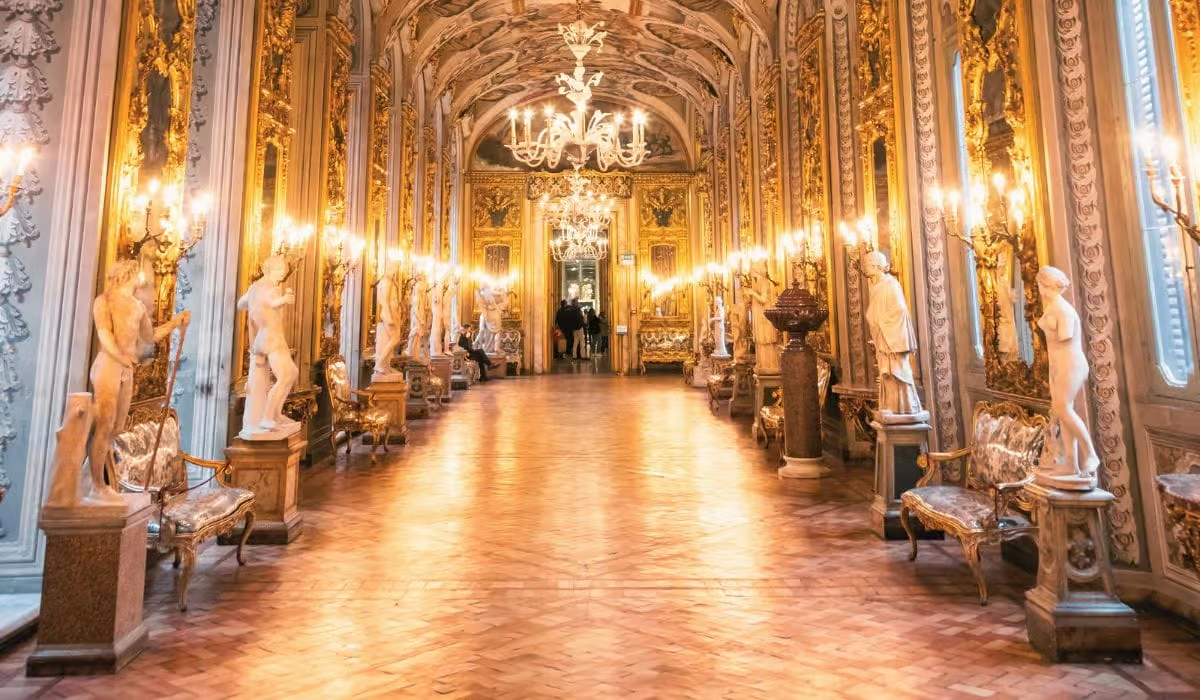
The Palazzo Doria Pamphilj in Rome is a related historical building still owned by the Doria family. It serves as a compelling example of how similar palaces are actively used for public engagement while preserving historical value. Unlike the Genoa-based Doria Palace, the Rome version houses one of the largest private art collections in the world.
Visitors can admire works by Caravaggio, Raphael, and Velázquez. Advanced conservation technologies are employed in the preservation of these masterpieces, including light-filtering glass, climate control, and secure display systems, similar to those introduced in Doria Palace Genoa.
The Rolli Palaces of Genoa
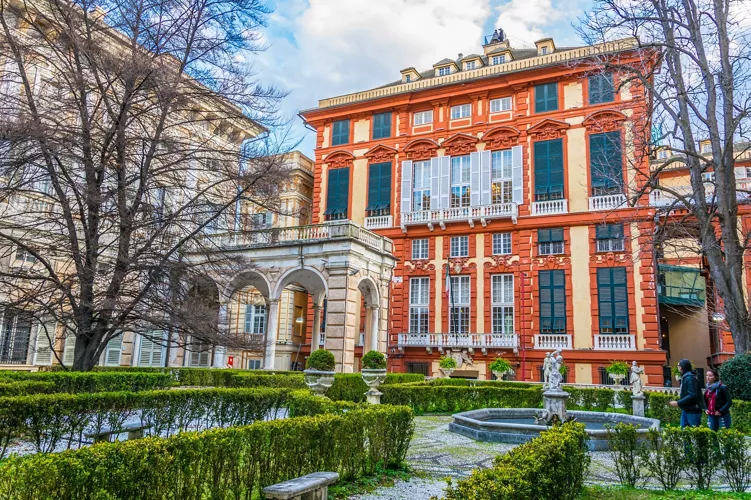
Doria Palace is one of the prestigious Rolli Palaces of Genoa, a group of aristocratic residences that were designated as UNESCO World Heritage Sites. These palaces, including Palazzo Rosso and Palazzo Bianco, serve as case studies for successful historical preservation.
Technologies such as geospatial mapping and 3D laser scanning are used in documenting structural integrity and preventing deterioration. The collective management of these palaces showcases how heritage can be preserved through a unified digital platform, reinforcing Doria Palace’s importance in broader urban conservation initiatives.
The Virtual Doria Experience Project
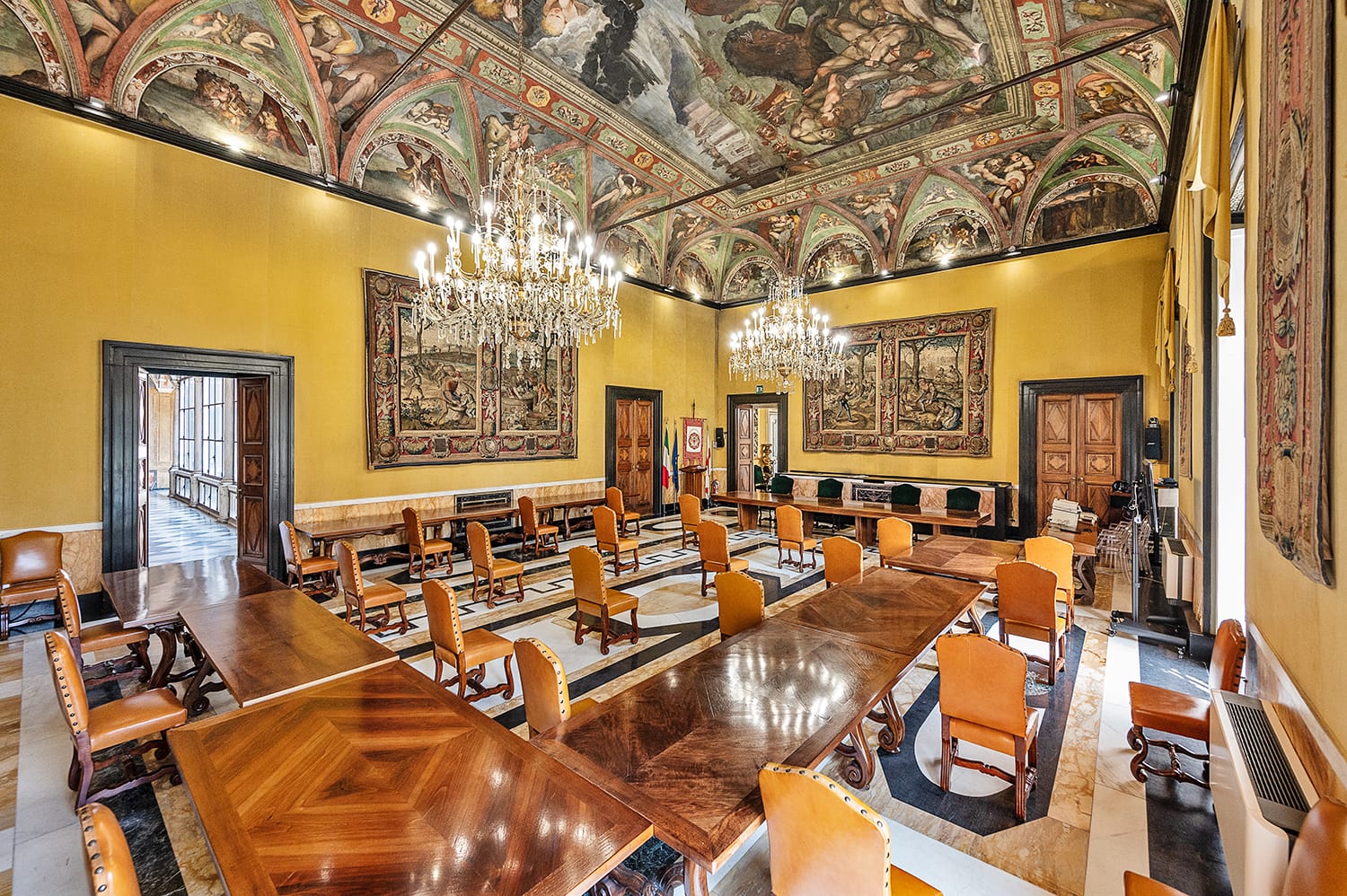
This initiative, led by European research institutions, offers a virtual tour of Doria Palace for global audiences.
The project uses 3D scans, photogrammetry, and immersive audio. This allows remote visitors to experience the palace as if they were there.
Users can explore the art, architecture, and historical narratives through interactive layers. It not only democratizes access to cultural heritage but also acts as an educational tool for schools and universities worldwide. This model is increasingly being used for other historical buildings in Italy and beyond.
AI-Based Restoration Analysis
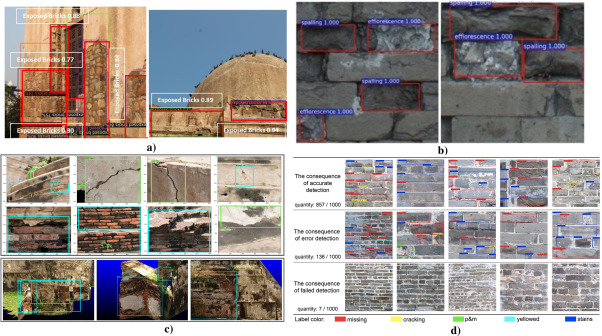
Doria Palace has been part of AI-based research projects aimed at predicting wear and tear in ancient frescoes and sculptures. These systems analyze high-resolution imagery to detect micro-cracks and discoloration invisible to the human eye.
This predictive maintenance helps conservators act proactively, preserving original artwork without resorting to invasive restoration techniques. Such a system is crucial in maintaining Doria Palace’s authentic visuals and reducing costly, large-scale repairs.
Benefits of Modern Technology in Cultural Heritage
Modern technologies are revolutionizing how we preserve and experience heritage sites like Doria Palace. Here are some practical advantages:
-
Preservation Without Invasion: Laser scanning and AI diagnostics allow for precise monitoring without physically altering any structure or artwork.
-
Global Accessibility: Virtual reality tours offer inclusive access for individuals unable to travel, increasing the educational impact of the site.
-
Sustainable Conservation: Smart energy systems reduce environmental stress on the structure, which is essential for long-term preservation.
-
Enhanced Visitor Engagement: AR and multimedia guides help bridge the historical context with modern-day understanding, making the site more engaging for younger generations.
These innovations ensure that Doria Palace remains both a preserved monument and an active educational resource.
Use Cases and Real-Life Applications
Doria Palace offers practical value across various sectors beyond tourism:
-
Education: Schools and universities utilize digital models of Doria Palace to teach art history, architecture, and Renaissance culture.
-
Urban Planning: City planners refer to the preservation strategies used at Doria Palace when designing heritage-friendly infrastructure.
-
Cultural Diplomacy: Hosting diplomatic events at historically significant venues like Doria Palace strengthens cultural ties between nations.
-
Film and Media Production: The palace provides an authentic backdrop for historical documentaries and period films, preserving its relevance in modern storytelling.
Doria Palace preserves its cultural legacy while adapting to modern needs. It stands as both a historic monument and a valuable resource for the future.
Frequently Asked Questions (FAQ)
- What makes Doria Palace historically significant?
Doria Palace is a key architectural and cultural landmark built in the 16th century by Admiral Andrea Doria. Its historical significance lies in its Renaissance design, political relevance during its era, and continued influence on heritage preservation practices. - How is technology used in the preservation of Doria Palace?
Modern tools like 3D laser scanning, AI analysis, and augmented reality are used to monitor the structure’s condition, assist in non-invasive restoration, and provide virtual access for global audiences. These technologies help maintain the integrity of the site while expanding its educational reach. - Is Doria Palace accessible to the public or researchers?
Yes, Doria Palace is accessible through guided tours and academic collaborations.Digital platforms and virtual tours have been created. These tools help schools and international scholars access the palace more easily.