Best Hotel Aggregator in 2025: In-Depth Guide, Examples, and Benefits Explained
In a world of increasing travel options and fluctuating prices, finding the right hotel at the best value can be overwhelming. This is where hotel aggregator platforms come in. A hotel aggregator compiles accommodation listings from multiple booking sources—such as online travel agencies (OTAs), hotel chains, and third-party sites—into one convenient, searchable interface.
Whether you’re a leisure traveler, corporate booker, or digital nomad, using the best hotel aggregator helps you make more informed decisions with better prices, accurate availability, and enhanced search features. This article dives deep into what makes a hotel aggregator truly effective, outlines the benefits of using technology in hotel comparisons, and showcases real-world examples with detailed insights.
Table of Contents
ToggleWhat Is a Hotel Aggregator?
A hotel aggregator is a digital service or platform that collects and organizes listings from various hotel booking websites and hotel brands into a unified search engine. These platforms allow users to compare prices, availability, amenities, reviews, and location-based options across hundreds of sources—all in real-time.
Unlike traditional online travel agencies (OTAs), which sell hotel rooms directly, aggregators often redirect users to partner websites or provide affiliate links where the actual booking takes place. Their strength lies in data consolidation and price transparency, helping travelers save both time and money.
Modern hotel aggregators are powered by API integration, machine learning, and advanced filtering tools, which make the experience highly customizable, responsive, and efficient.
How Hotel Aggregators Work
Hotel aggregators pull real-time data from global distribution systems (GDS), OTAs, and direct hotel inventory feeds. The aggregated information is presented on a single interface where travelers can filter and sort based on personal preferences, such as star rating, amenities, guest reviews, and pricing.
Once a user selects a hotel, the aggregator either completes the booking internally (if it has booking capabilities) or redirects the user to a partner platform. The aggregator earns revenue via referral commissions, display advertising, or white-label partnerships with travel companies.
Technologies like AI-driven recommendation engines and dynamic pricing models are now standard features among top aggregators, making them smarter and more tailored than ever.
Benefits of Using Hotel Aggregator Technology
Centralized Comparison Saves Time
Rather than visiting multiple websites, hotel aggregators allow you to compare numerous properties and rates in one place. This drastically reduces research time, making it easier to find a deal that fits your preferences and budget.
Real-Time Pricing and Availability
Thanks to API integrations, hotel aggregators offer real-time updates on pricing and room availability. This ensures you get current data, essential when booking during peak travel seasons or in fast-moving markets.
Personalized Filters and Recommendations
From pet-friendly stays to business-ready accommodations, aggregators let users filter based on their specific needs. Advanced systems even suggest properties based on user behavior, search history, and sentiment analysis of past reviews.
Smart Alerts and Dynamic Deals
Many top hotel aggregators include features like price alerts, promo code integration, and loyalty tracking, which help users access the best possible deal without constant manual checking.
Real-World Examples of the Best Hotel Aggregators
Google Hotels: Seamless Integration and Map-Based Search
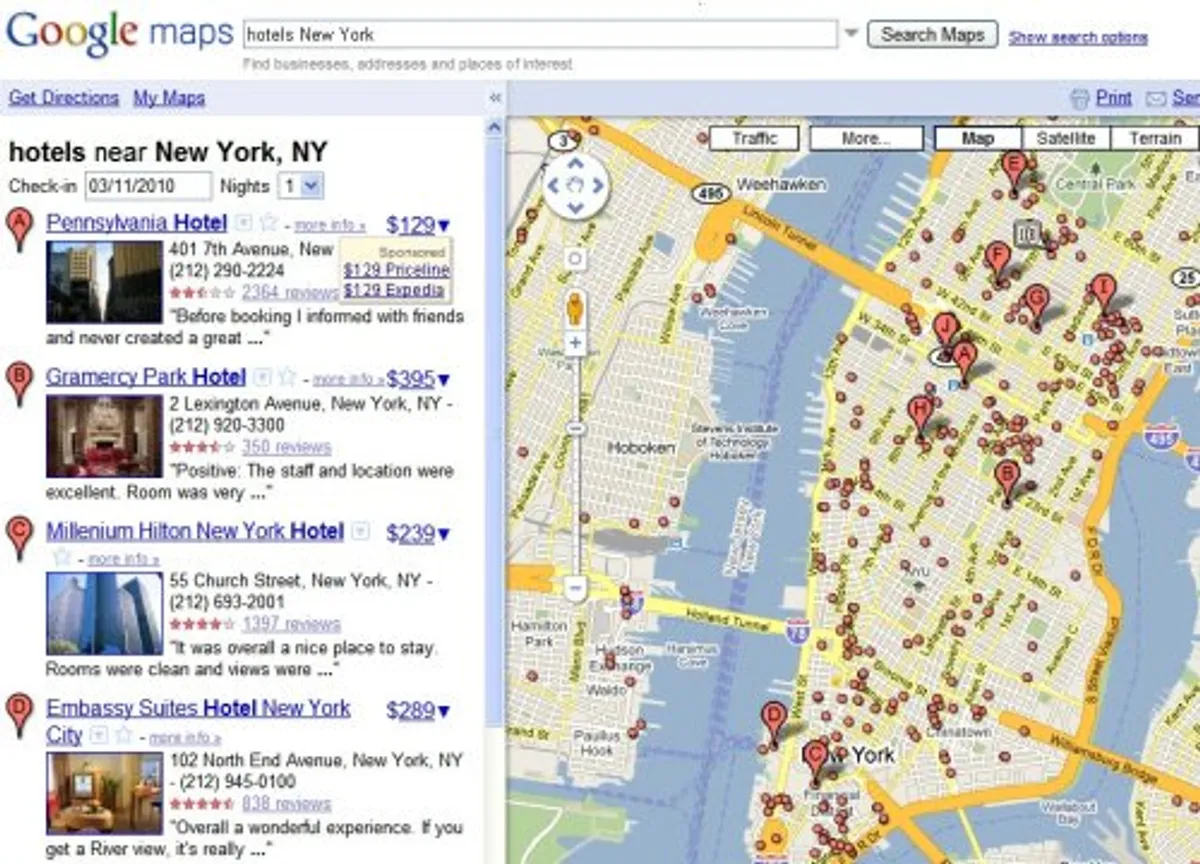
Google Hotels integrates directly with Google Search and Google Maps, allowing users to explore accommodations with contextual, location-aware precision. It aggregates listings from dozens of OTAs and hotel websites, offering detailed comparisons, map overlays, and price tracking.
-
Why It Stands Out: Offers multi-channel visibility (search + maps), AI-powered suggestions, and direct booking pathways through connected OTAs.
-
Relevance: Google Hotels is best for users who want fast, map-based, visually oriented hotel exploration combined with trusted reviews and dynamic pricing alerts.
Trivago: Global Meta-Search Focused on Price Transparency

Trivago positions itself as a hotel search engine that compares prices across dozens of booking platforms. It does not handle transactions but excels at identifying where a hotel is cheapest across multiple sellers.
-
Why It Stands Out: Clean interface, strong focus on pricing variation, and global reach with regional adaptation.
-
Relevance: Ideal for budget-conscious travelers seeking to save money by pinpointing the lowest available rate for the same property across platforms.
HotelsCombined: No-Fee, Multi-Source Aggregator
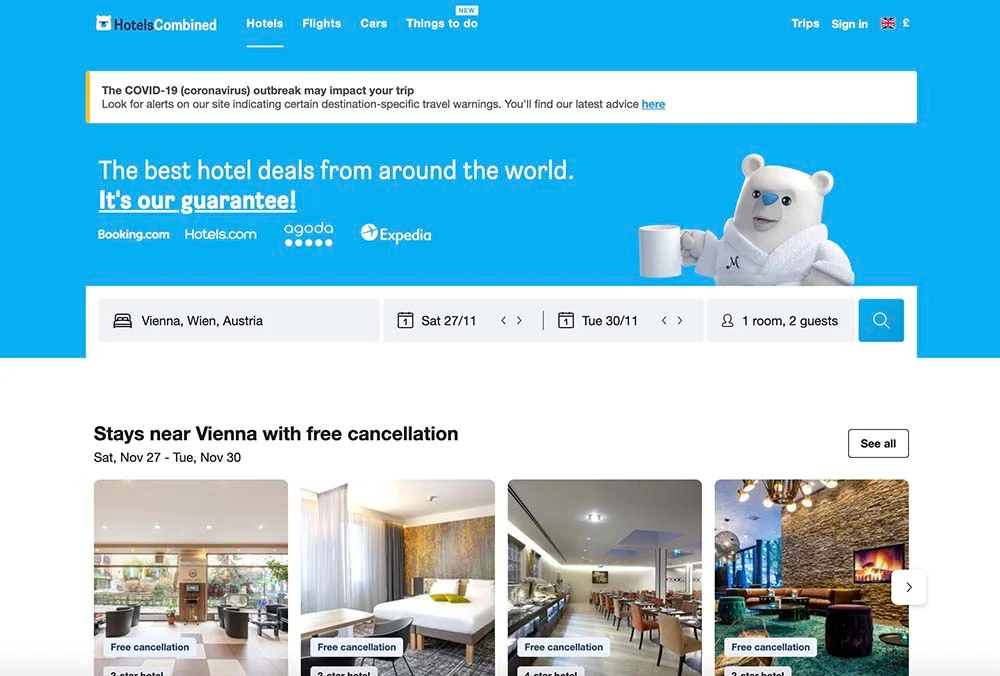
HotelsCombined is a comprehensive hotel aggregator that emphasizes simplicity and transparency. The platform gathers hotel data from major OTAs and direct hotel chains, presenting unbiased pricing comparisons.
-
Why It Stands Out: No booking fees, wide international coverage, and deep API connectivity.
-
Relevance: It’s an excellent tool for international travelers who need a no-nonsense platform that highlights global rates in one unified dashboard.
Kayak: Travel Aggregation Beyond Just Hotels

While known for flight comparisons, Kayak also excels in hotel aggregation. It combines pricing from OTAs, direct hotel partners, and even alternative accommodations, while offering filter-rich customization and bundle options.
-
Why It Stands Out: Multi-service integration (hotels, flights, car rentals), powerful filters, and AI-powered “Hacker Fares.”
-
Relevance: Kayak is suitable for complex travel planning, especially for users bundling stays with other services like flights and transportation.
Trip.com: Asia-Focused Aggregator with Global Growth
Originating in China, Trip.com has rapidly become a global force. Its hotel aggregator tool offers deep localization, especially in Asian markets, with multilingual support and regional payment options.
-
Why It Stands Out: Superior inventory in Asia, multi-language platform, and strong mobile interface.
-
Relevance: Best for users planning trips to Asia, or for global travelers looking for a diverse selection of accommodations with multi-currency payment tools.
Detailed Use Cases and Problem-Solving Benefits
Spontaneous Travelers Needing Last-Minute Options
Hotel aggregators are essential for last-minute bookings. With real-time availability and instant comparisons, they help users secure rooms even hours before check-in, particularly helpful during flight cancellations, layovers, or emergency relocations.
Budget Travelers Avoiding Overpriced Listings
Comparing hotel prices across platforms prevents overpayment and reveals hidden discounts. Aggregators help identify under-the-radar deals that might be buried on larger booking platforms or exclusive to smaller OTAs.
Business Travelers Seeking Specific Amenities
Corporate travelers often require fast Wi-Fi, early check-in, meeting rooms, or airport transfers. Aggregators enable quick filtering to find hotels with these essential amenities while maintaining company policy budgets.
Digital Nomads Planning Multi-Stop Stays
Nomadic workers often stay in a destination for weeks or months. Aggregators help identify accommodations with long-stay discounts, kitchen access, or coworking spaces—features often overlooked on standard platforms.
Travel Planners Managing Group Bookings
Travel managers or event planners can use aggregators to compare availability for group-friendly properties across several platforms, ensuring room block availability and budget alignment.
Practical Advantages of Hotel Aggregator Platforms
Efficient Decision-Making
By bringing together scattered data, hotel aggregators empower users to make confident, fast decisions. This is crucial when dealing with limited room availability, high seasonality, or time-sensitive promotions.
Reduced Cognitive Load
Rather than opening five tabs and comparing manually, users can view prices, reviews, amenities, and photos in one clean interface. This simplifies the booking process and improves satisfaction.
Increased Transparency and Trust
Aggregators show how prices differ across platforms, exposing price manipulation and adding trust. Many also include verified guest reviews, adding social proof to the decision-making process.
Frequently Asked Questions (FAQ)
- What is the main difference between a hotel aggregator and an online travel agency (OTA)?
A hotel aggregator compiles listings from multiple OTAs and hotel chains into one comparison platform, whereas an OTA handles direct bookings. Aggregators focus on search and comparison; OTAs handle transactions. - Can hotel aggregators guarantee the best price?
While they often help you find the lowest price, aggregators cannot guarantee it. They simply display the available options from multiple sources, making it easier for you to choose the best one. - Are hotel aggregator sites safe to use for bookings?
Yes, most major hotel aggregators are safe and secure. However, you typically complete the booking through a partner OTA or hotel site, so it’s important to verify that the final transaction platform is reputable.