Rustique Boutique Hotel: A Comprehensive Insight into Rustic Luxury Hospitality
The term rustique boutique hotel captures a unique fusion of rural charm and personalized luxury. Far from cookie-cutter chains or flashy urban towers, these hotels provide immersive, sensory-rich experiences in natural or historically inspired environments. This article explores in depth what makes Rustique boutique hotels so special, diving into design philosophy, technological integration, real-world examples, and how they cater to the needs of today’s conscious travelers.
Table of Contents
ToggleUnderstanding the Concept of Rustique Boutique Hotels
Rustique boutique hotels are small-scale, design-forward properties that reflect the surrounding natural, cultural, or historical context. The term “rustique” suggests rough-hewn elegance—handcrafted wooden beams, locally sourced stone, artisanal fixtures, and neutral, earthy tones. When paired with “boutique,” it signals intimate, personalized service and curated experiences.
These hotels are typically located in scenic countryside locations, vineyard regions, mountainous landscapes, or near preserved historical towns. Unlike mainstream resorts, rustic boutique hotels focus on storytelling—each room, corner, and amenity is designed to reflect the essence of the local environment.
Their architectural footprint often incorporates sustainability practices such as reclaimed materials, energy-efficient systems, and biophilic design principles. Guests are not just looking for accommodation; they’re seeking meaning, mood, and memory.
Defining Design: Architecture and Aesthetic Identity
Rustique boutique hotels typically embrace vernacular architecture. This means they adopt local building traditions, use region-specific materials, and avoid overly polished or commercial aesthetics. Think:
-
Timber-framed ceilings
-
Rough stone fireplaces
-
Wrought iron details
-
Terracotta tile flooring
-
Farmhouse sinks and handwoven rugs
This design approach provides emotional warmth and visual texture—guests often describe these environments as “grounding,” “peaceful,” or “spiritually rich.” The ambiance is often elevated with candles, essential oils, and quiet ambient music, encouraging mindfulness and rest.
Importantly, while rustic design usually implies traditional form, boutique hotels often juxtapose that with modern comforts—high-thread-count linens, rainfall showers, espresso machines, and high-speed Wi-Fi.
The Wild Rabbit, Cotswolds, England
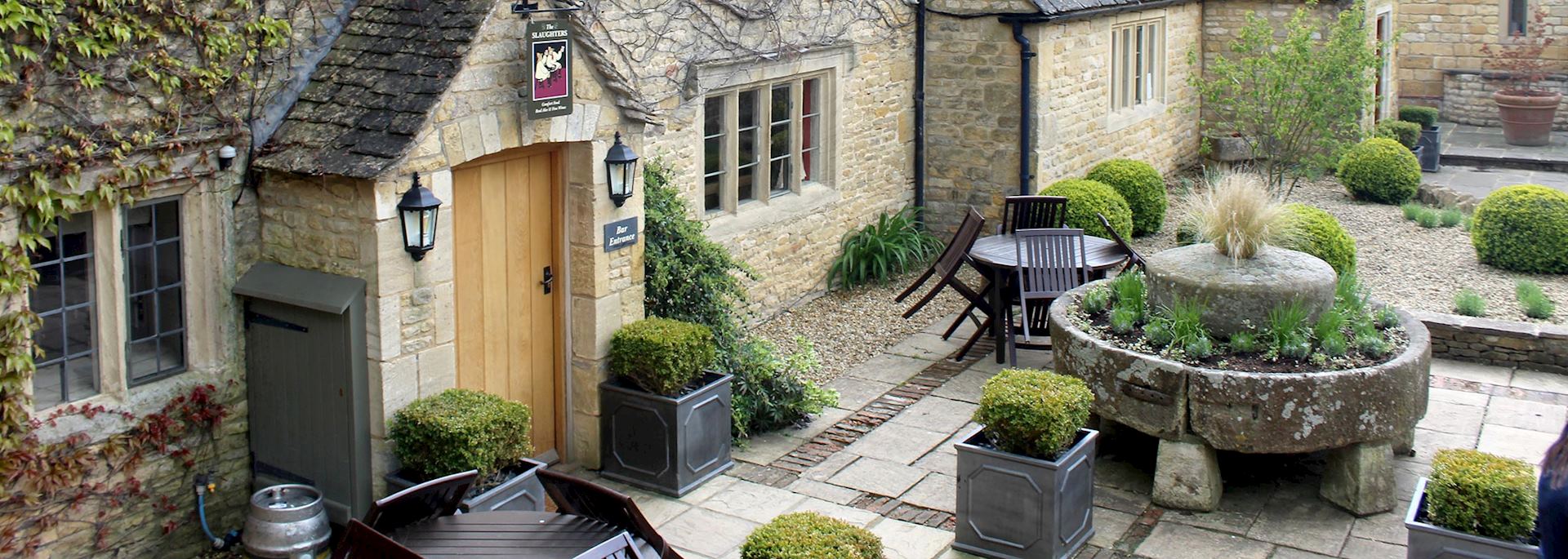
The Wild Rabbit in Kingham, Cotswolds, is a quintessential rustic boutique hotel. Set in a renovated 18th-century coaching inn, the property exemplifies pastoral luxury. The hotel’s interior features organic textures—oak floors, wool throws, limewashed walls—and a neutral color palette inspired by the surrounding farmland.
Despite its rustic bones, The Wild Rabbit boasts modern luxuries such as Dyson hairdryers, Bang & Olufsen sound systems, and underfloor heating. Sustainability is a core value: the hotel uses locally grown produce, energy-efficient heating, and rainwater collection systems.
Guests can dine in the on-site Michelin-starred restaurant or explore curated walking routes around the village, enhancing a slow-travel ethos that rustic hospitality promotes.
Hotel San Cristóbal, Baja California Sur, Mexico
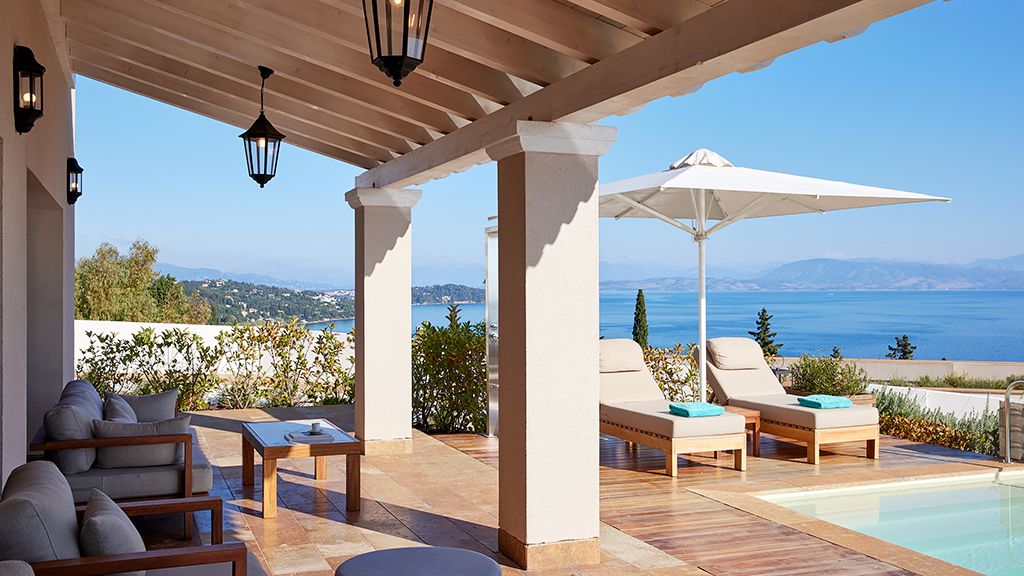
Set on a remote beach in Todos Santos, Hotel San Cristóbal merges rugged coastal beauty with boutique hospitality. Although technically coastal rather than alpine or rural, the hotel exemplifies rustic design through its earthy materials and handcrafted finishes.
Rooms feature stucco walls, locally carved headboards, and vintage ceramic tiles. Each piece of décor has been sourced from artisans in Baja and Oaxaca, connecting guests with Mexico’s rich heritage.
There’s no TV in the rooms, encouraging deeper engagement with the environment. Instead, the hotel offers activities such as guided hikes, sea turtle conservation walks, and yoga under woven palapas.
Sextantio Albergo Diffuso, Abruzzo, Italy
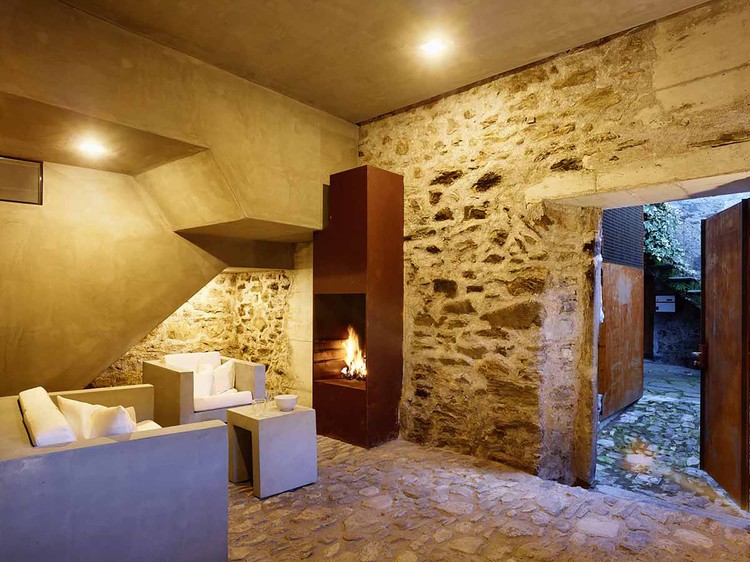
Sextantio Albergo Diffuso takes the rustic boutique concept to its cultural extreme. Located in the medieval village of Santo Stefano di Sessanio, each room is set inside ancient buildings that have been meticulously restored with the help of local historians and artisans.
Rooms feature original stonework, wood-fired stoves, and antique woolen fabrics. Yet, modern comforts—heated floors, Wi-Fi, custom bath amenities—are subtly integrated to preserve authenticity.
Guests are encouraged to experience the village as locals do, with immersive workshops in candle making, traditional baking, and wool weaving. This deep connection to place makes the property a benchmark for cultural boutique hospitality.
Casa Cook Rhodes, Greece
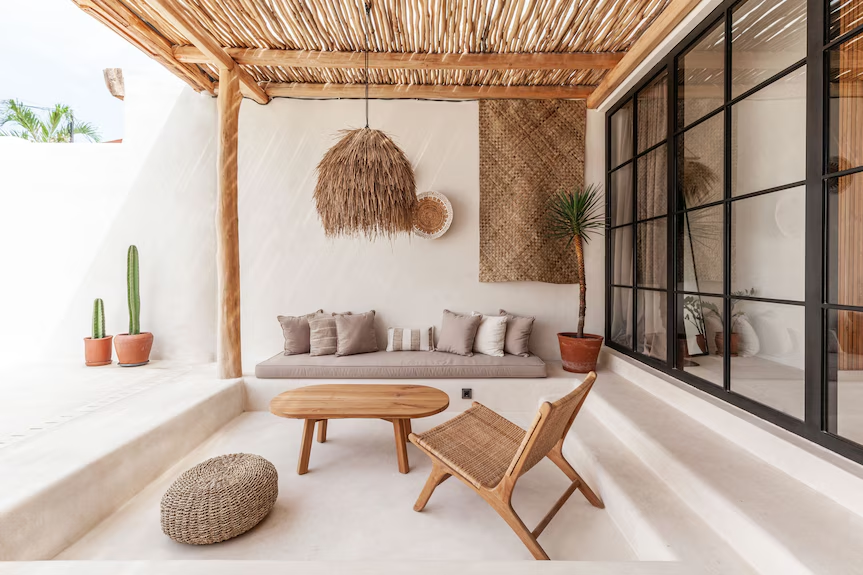
Casa Cook Rhodes combines bohemian minimalism with rustic warmth. While the design language is stripped down—whitewashed walls, concrete floors, black metal accents—the use of rattan, jute, and linen gives it that essential “rustique” texture.
Targeted at the millennial luxury traveler, the hotel offers outdoor rain showers, shaded terraces, and on-site holistic wellness treatments. Rather than replicating historical form, it reinterprets rustic principles for a modern, design-savvy audience.
Casa Cook is a great example of howrustice boutique hotels can evolve without losing their grounding in authenticity and texture.
El Encanto, Santa Barbara, California
Perched in the hills of Santa Barbara, El Encanto is a blend of California cool and rustic luxury. Built in the early 1900s, the hotel’s Spanish Revival architecture includes white stucco walls, red-tiled roofs, and expansive verandas.
The interiors offer a rustic-luxe appeal with handcrafted wooden furnishings, artisanal ceramics, and outdoor soaking tubs. Guests can enjoy organic spa treatments, dine on California farm-to-table cuisine, and explore the hotel’s working garden.
El Encanto’s setting—tucked away among eucalyptus groves—adds to the secluded, nature-connected feel that defines rustic boutique hotels.
Benefits of Technology in Rustique Boutique Hotels
Though steeped in tradition, modern rustic boutique hotels understand the importance of technology in enhancing the guest experience, without compromising the ambiance.
Seamless Connectivity
Many rustic boutique hotels now offer fiber-optic Wi-Fi systems that allow guests to work remotely or stream content without disruption, even in remote mountain or rural locations. This balance between solitude and connectivity is essential for modern travelers.
Smart Room Controls
Without disturbing the design, many hotels integrate smart thermostats, lighting automation, and mobile key access. Guests can adjust settings via tablets or apps, ensuring comfort while preserving sustainability.
Sustainable Energy Management
Technological infrastructure is often hidden behind the rustic exterior. Solar panels, greywater systems, and smart energy meters are used to minimize carbon footprints. Many rustic hotels also offer EV charging stations, aligning with the values of eco-conscious guests.
Practical Use Cases of Rustique Boutique Hotels
Eco-Conscious Leisure Travel
Travelers seeking authentic, low-impact vacations find rustic boutique hotels ideal. These properties allow full immersion in local culture without the waste and generic feel of larger resorts.
Wellness and Digital Detox Retreats
Many rustic hotels offer yoga, meditation, and spa experiences in serene settings free from urban noise. Guests unplug and reset in harmony with nature, supporting mental and physical wellness.
Cultural Immersion and Creative Inspiration
Artists, writers, and creatives often seek rustic spaces for residencies or sabbaticals. The blend of quiet beauty and textured design provides a backdrop conducive to deep work and reflection.
Romantic and Anniversary Getaways
Couples choose rustic boutique hotels for their charm, intimacy, and curated service. The warm lighting, private terraces, and claw-foot tubs create naturally romantic settings.
Remote Working with Character
Unlike sterile corporate hotels, rustic properties offer inspiring environments for digital nomads or executives taking an extended workcation, merging work and lifestyle seamlessly.
Frequently Asked Questions
- What defines a rustic boutique hotel?
A rustic boutique hotel combines rustic design elements like wood, stone, and handmade décor with intimate, personalized service. These hotels prioritize cultural authenticity, sustainability, and immersive guest experiences in a small-scale setting. - Are rustic boutique hotels suitable for families or solo travelers?
Yes. While often chosen by couples, many rustic boutique hotels offer family-friendly features like nature excursions, cooking classes, and multi-room suites. Solo travelers also find them ideal for quiet retreats, wellness breaks, or creative inspiration. - Do rustic boutique hotels use modern technology?
Absolutely. Despite their vintage aesthetic, most rustic boutique hotels integrate modern technology discreetly. From smart climate control and high-speed internet to eco-friendly energy systems, they enhance comfort while maintaining rustic charm.