What Is a Hotel Room Aggregator? Benefits, Use Cases & Leading Examples (2025 Guide)
The Hotel Room Aggregator has revolutionized the travel and hospitality industry by simplifying the way users search for and book accommodations. These platforms collect room availability and prices from multiple hotel providers, centralizing them in one interface to help users compare, choose, and book with ease. But beyond their basic function, they play a crucial role in digital transformation, dynamic pricing, and even in optimizing hotel inventory.
In this comprehensive guide, we’ll explore what hotel room aggregators are, how they work, why they matter, and who the major players are. Whether you’re a frequent traveler, a hotel operator, or a tech enthusiast, this article will give you a deep dive into the ecosystem of hotel room aggregation.
What Is a Hotel Room Aggregator?
A hotel room aggregator is a digital platform or service that collects, consolidates, and displays accommodation listings from multiple hotel providers, booking sites, or hotel chains. It enables users to access a wide selection of rooms, compare pricing, view availability, and book—all in one place.
The aggregator doesn’t typically own the rooms it lists. Instead, it acts as a middleman between travelers and hospitality providers, providing a unified dashboard of options. These platforms work through APIs (Application Programming Interfaces) that pull real-time data from hotel reservation systems, enabling seamless integration and instant access to updated room inventories and prices.
Modern aggregators go beyond simple listings. They offer filters, maps, reviews, dynamic pricing models, and sometimes AI-powered recommendations based on travel habits or preferences.
How Hotel Room Aggregators Work
Hotel room aggregators function as central hubs that bring data from various sources into a single, user-friendly platform. Here’s how the process unfolds:
-
Data Collection via API Integration: Aggregators use APIs to retrieve real-time data from OTAs (Online Travel Agencies), hotel chains, and even global distribution systems (GDSs).
-
Price and Availability Comparison: Once the data is aggregated, users can filter and sort options by price, star rating, amenities, location, or guest reviews.
-
Redirection or Direct Booking: Users either book directly through the aggregator or are redirected to the partner site to complete the transaction.
-
Revenue Model: Aggregators typically earn money via affiliate commissions, referral fees, or advertising slots sold to hotels or booking platforms.
Benefits of Using Hotel Room Aggregators
Simplified Hotel Search
Travelers no longer need to visit multiple hotel websites or booking portals. With an aggregator, the entire accommodation landscape is visible from a single dashboard. This time-saving feature is particularly beneficial during peak travel seasons or in unfamiliar locations.
Real-Time Availability and Price Updates
Since data is pulled directly from hotel or OTA APIs, users see real-time updates on room availability, pricing, and promotions. This helps avoid double bookings or outdated pricing.
Cost Savings
By comparing prices from multiple sources, users often find better deals. Aggregators may also highlight special discounts, last-minute offers, or membership-based pricing that’s otherwise hidden.
Wider Selection of Properties
From luxury resorts to budget hostels and serviced apartments, aggregators provide access to an enormous range of accommodation types, offering something for every kind of traveler.
Enhanced Booking Confidence
Features like guest reviews, star ratings, maps, and photo galleries build trust and enable travelers to make informed decisions, reducing booking-related anxiety.
Real-World Examples of Hotel Room Aggregators
Booking.com: Global Leader in Hotel Aggregation

Booking.com is arguably the world’s most recognized hotel room aggregator. It lists millions of properties, from high-end hotels to countryside cottages. With powerful filters and a user-friendly interface, it caters to all travel styles and budgets.
-
Key Features: Instant confirmation, real-time pricing, guest reviews, flexible cancellation policies.
-
Relevance: Booking.com shows how a large-scale aggregator can create a user-first experience while supporting direct hotel partnerships.
Trivago: Meta-Search Powerhouse

Trivago differs slightly as it focuses on price comparison from various OTAs rather than direct bookings. It’s a meta-search engine that helps travelers find the lowest price for a specific hotel room across platforms like Expedia, Hotels.com, or Agoda.
-
Key Features: Cross-site comparison, intuitive design, mobile optimization.
-
Relevance: Trivago demonstrates how aggregation can be layered with meta-search capabilities for broader price visibility.
Google Hotels: Search Giant’s Entry into Aggregation

Google Hotels aggregates accommodation data directly within its search engine, showing users available rooms, prices, and booking options across multiple OTAs and hotel sites.
-
Key Features: Integrated with Google Maps, price tracking alerts, and comprehensive hotel information.
-
Relevance: Google’s integration of hotel aggregation with its search and mapping services shows the power of contextual, location-aware booking systems.
HotelsCombined: Comprehensive Aggregator With Global Reach
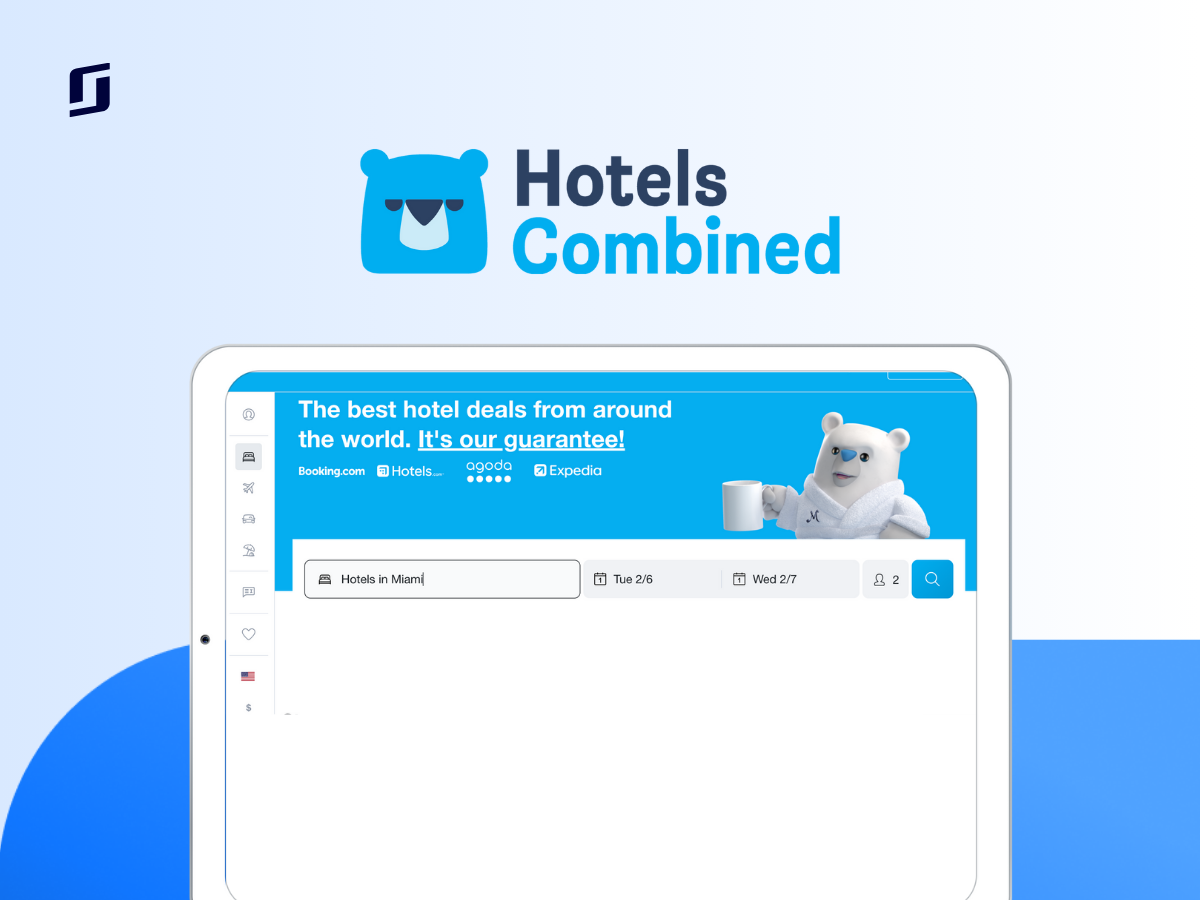
HotelsCombined focuses solely on comparing room prices across all major hotel booking websites. It’s known for its extensive global coverage and deep integration with hotel partners.
-
Key Features: Clear pricing breakdowns, regional focus, no booking fees.
-
Relevance: HotelsCombined offers a clean, no-nonsense aggregator experience ideal for budget travelers or deal seekers.
Trip.com: Asia-Focused Aggregator with Global Expansion
Originally launched for the Chinese travel market, Trip.com has expanded internationally and now competes with Western aggregators. It includes bundled packages, loyalty points, and access to both budget and luxury properties.
-
Key Features: Multi-language support, travel packages, global payment options.
-
Relevance: Trip.com’s success shows how hotel aggregators can localize while scaling globally.
Use Cases and Practical Applications
Business Travelers Seeking Cost-Efficiency
Corporate travelers often have tight schedules and budgets. Hotel room aggregators simplify their planning by offering filters for business amenities like free Wi-Fi, breakfast, and late check-out, all while allowing companies to control costs through comparison.
Leisure Travelers Looking for Personalized Experiences
Vacationers can search for boutique hotels, beachfront resorts, or pet-friendly rooms—all from a single interface. Aggregators cater to specific preferences and travel styles, making it easier to discover unique lodging options.
Hotels Wanting to Maximize Visibility
Small and mid-sized hotels use aggregators to gain visibility they couldn’t achieve on their own. Listing on platforms like Booking.com or Trip.com can help independent hotels compete with global chains.
Event Planners Coordinating Group Travel
Organizing accommodations for large groups or conferences becomes seamless when using an aggregator. Filters for room block availability or hotel proximity to a venue help event planners secure logistics more efficiently.
Travelers in Emergencies or Last-Minute Situations
Whether it’s a flight cancellation or a sudden change in plans, hotel aggregators provide quick access to same-day bookings, helping travelers find immediate accommodations on the go.
Technological Infrastructure Behind Aggregators
API and XML Feeds
Hotel aggregators rely heavily on APIs to fetch live data. XML feeds enable consistent formatting of information like room types, rates, and policies across platforms.
AI and Machine Learning
Many aggregators incorporate AI to suggest hotels based on past behavior, search history, or even sentiment analysis from reviews.
Cloud Computing and Scalability
Handling millions of users and booking queries daily requires cloud infrastructure that can scale elastically. Aggregators like Booking.com use robust server farms to ensure uptime and performance.
Security and Compliance
Data encryption, GDPR compliance, and fraud detection systems are integral to gaining user trust and preventing misuse of sensitive booking data.
Frequently Asked Questions (FAQ)
- What is the difference between a hotel aggregator and an OTA (Online Travel Agency)?
A hotel aggregator collects listings from various OTAs and hotel chains to compare prices and availability, while an OTA sells rooms directly to consumers. Aggregators focus on comparison, OTAs focus on transactions. - Can I get better deals using hotel room aggregators?
Yes. Aggregators allow users to compare prices across platforms, increasing the chances of finding lower rates, last-minute discounts, or special promotions. - Are hotel aggregators reliable for last-minute bookings?
Absolutely. Most hotel aggregators update availability in real time, making them highly effective for urgent or same-day bookings when travelers need quick solutions.